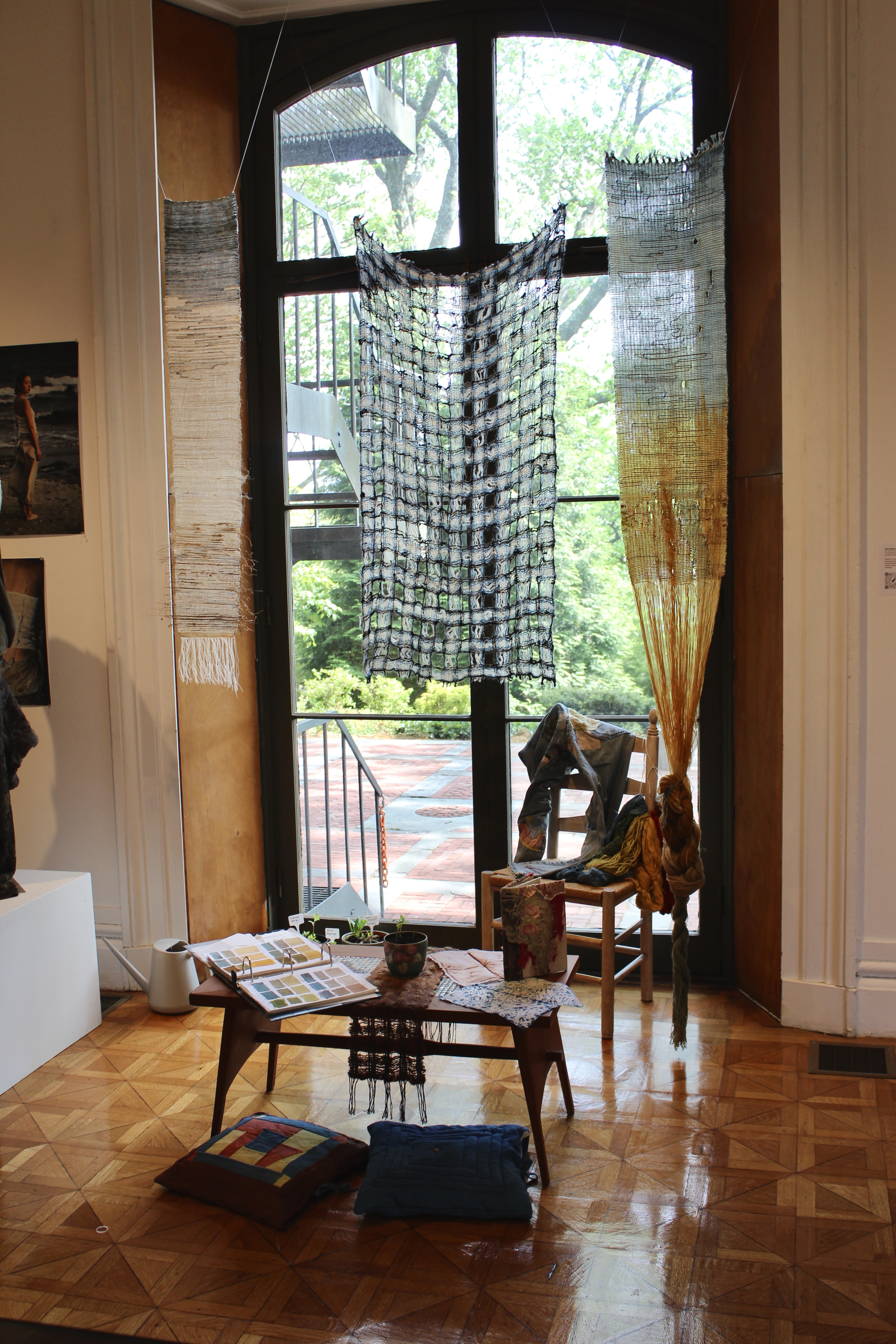
A garden has the power to encompass so many modes of being. A garden is not just a collection of plants growing in dirt. A garden is a queer thing. A garden is grown with intention, care, and patience. A garden is a community of plants speaking with one another, interacting with and reacting to their surroundings. They heavily rely on each other, the soil, the sun, the rain, humans, animals, and more; if one element is not present or too present, balance is lost. This is a tricky balance, one we often don’t get right.
So often, the word garden brings up imagery of only the plants and the soil. But a garden is so much more than that. A garden is healing, a garden fosters relationships that can transcend human-centric and colonial ideals. A garden can be a collection of growing knowledge. A garden can be a way to connect to heritage and homeland. To feel at home. A garden is a home. How do we become a garden? How do we balance ourselves, care for each other, and grow?
Home is a garden.
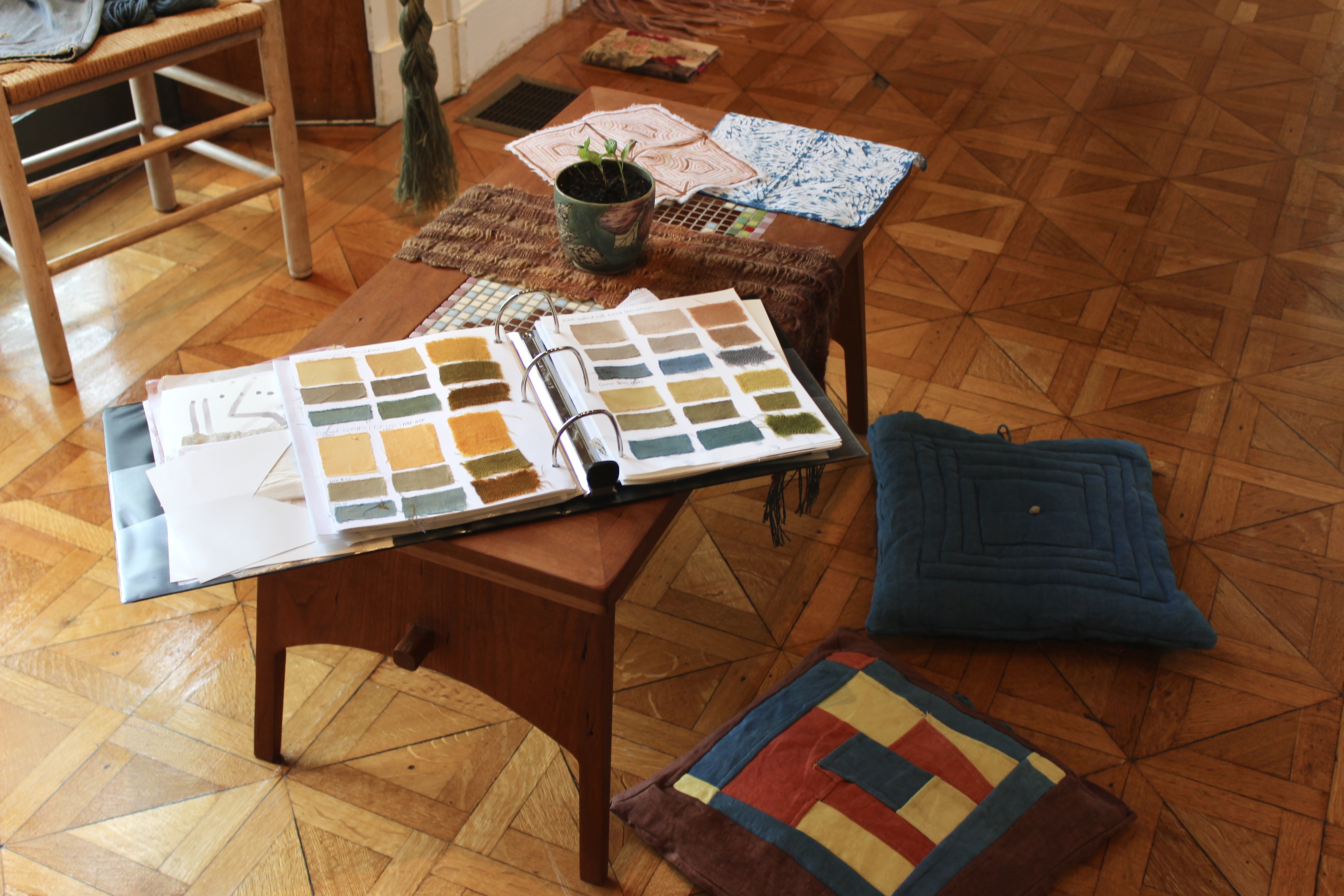

Domestic practice is a practice in softness, homing, and care. With domestic practice comes the importance of community and shared labor, another pillar of what I will be exploring in this project. Having a community, however that is defined for a person, is one of the most important things in life. This is a way not only to share labor, but to share joy, wonderment, gratitude, memories, and more. This work embodies relationship building, the time and labor that goes into relationships, and play.
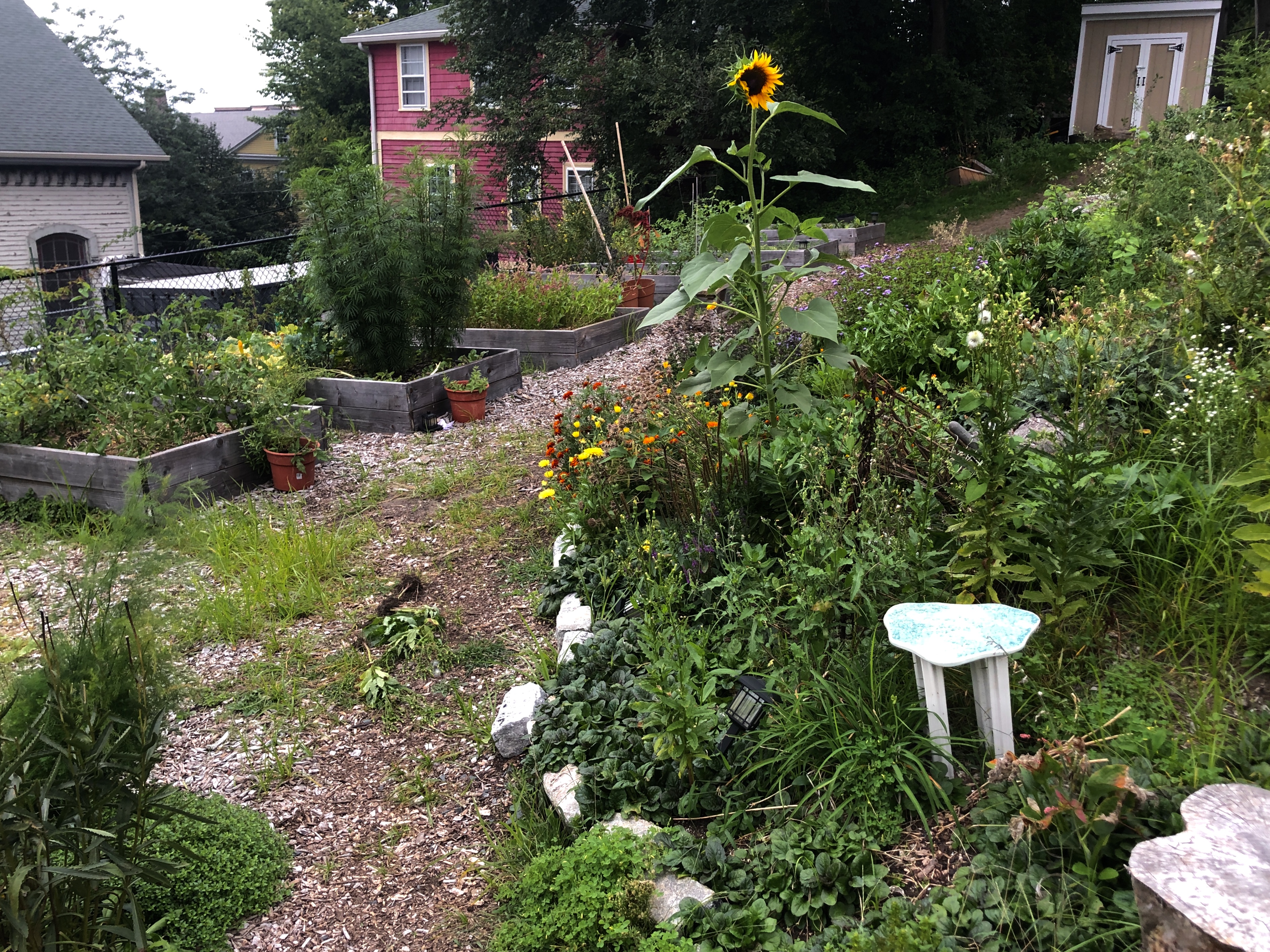

There are many gardens in my life that I have cultivated. Each new one gives me a new gift as I tend to it in return.
Materials:
Local sheep wool, home grown flax, mended clothing, childhood chair, a friend’s borrowed tea table, Korean floor cushions, dye sample book, mother’s pottery, indigo plants, handspun yarns, natural dyes.
 Clara Hayong Boberg